L’une des fonctions irremplaçables des artistes dans la société est de poser des questions qui peuvent sembler simples, parfois proches d’une naïveté enfantine, et, en cherchant des réponses, de développer et représenter le complexe sous-bois qui constitue les cartes de l’esprit, composées d’aspects factuels, de connaissances et d’expériences individuelles.
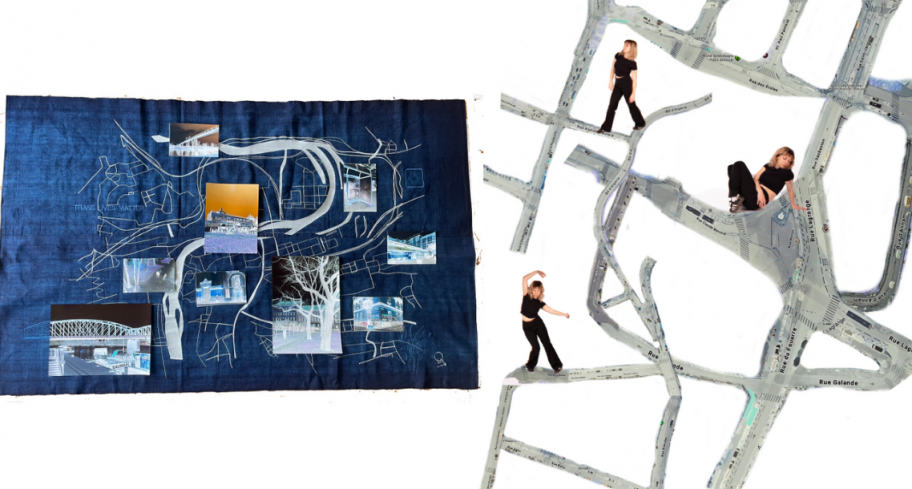
Dans leurs œuvres, les étudiants créent des cartes mentales qui déforment les images exactes du monde en fonction de leurs propres perceptions, enrichies des souvenirs d’autres personnes. Ils explorent leur identité physique, travaillent avec des mythes qui façonnent une approche partagée ou collective de la réalité, manipulent des images de leur passé ou de leur enfance afin d’en explorer l’authenticité, la véracité ou la distorsion, et examinent la possibilité de transférer des expériences individuelles dans l’espace public. Ils réfléchissent aux événements politiques de leur propre vie qui sous-tendent leurs décisions futures, à l’appartenance à des régions géographiques et à la transmission performative de certaines spécificités culturelles, tout en développant, enfin, la visualisation des expériences dans le contexte d’une situation sociale genrée.
Le vernissage se tiendra jeudi 15 janvier à 18h, accompagné d’un concert du groupe Vlasta.
Entrée gratuite
(ouvert lundi - samedi 9- 20h)
An exhibition by students of the Intermedia Studio, Department of Photography, FAMU Prague, offers insight into the delicate web of relationships between convictions, feelings, emotions, knowledge, and belief in the question of fate and free will.
One of the irreplaceable roles of artists in society is to ask questions that may seem simple, sometimes bordering on childish naivety, and in searching for answers, to develop and depict the complex undergrowth that represents maps of the mind composed of aspects of facts, knowledge, and individual experiences.
In their works, students create mental maps that distort accurate images of the world based on their own perceptions, layered with the memories of other people. They explore their physical identity, work with myths that shape a shared or communal approach to reality, work with images from their own past or childhood and explore their authenticity, the question of truthfulness or distortion and the possibility of transferring individual experiences into the public space, reflecting on political events in their own lives that underpin further life decisions, belonging to geographical regions and performatively conveying certain cultural specifics, and, last but not least, developing the visualization of experiences in the context of the gendered social situation.
The opening reception will be held this Thursday, January 15, at 6 p.m., accompanied by a concert by the band Vlasta.
Free entry
(open monday - saturday 9 - 20h)